
WASH
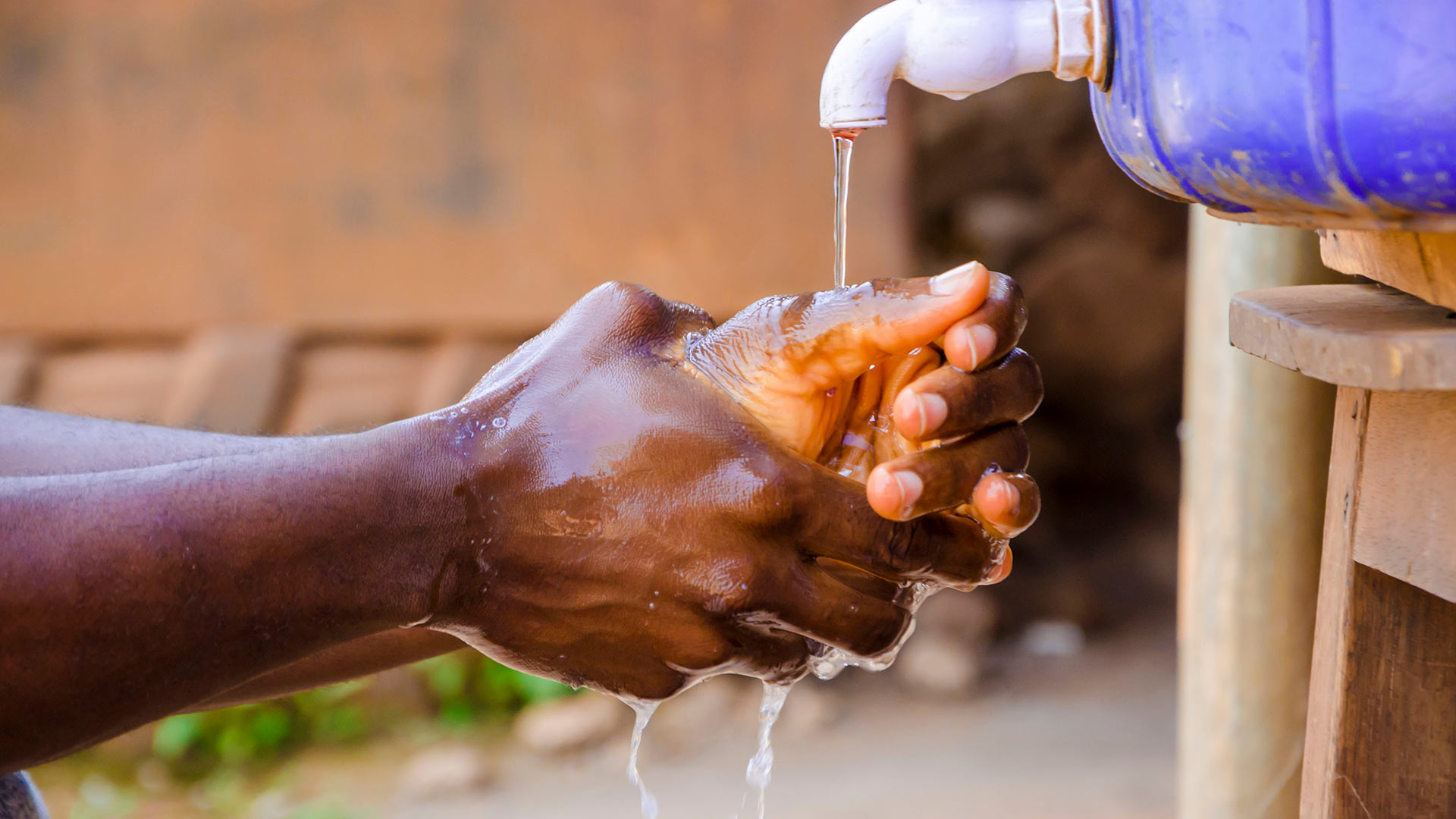
Since 2010, PDF has delivered some of Tanzania’s most impactful WASH interventions, reaching over 2 million people with safe water, sanitation, and hygiene services
Our work goes beyond infrastructure to tackle the root causes of poor WASH access — combining high-quality engineering with community mobilization, governance strengthening, and behavior change.
We design and implement large-scale water systems — from boreholes and gravity-fed schemes to solar-powered pumps — that supply safe and reliable water to schools, health facilities, and entire villages. Our sanitation solutions include inclusive toilet blocks with menstrual hygiene rooms, disability-friendly designs, and safe waste management systems.
Hygiene promotion is central to our approach, using Community-Led Total Sanitation (CLTS), Social and Behavior Change Communication (SBCC), and school-based SWASH clubs to instill lifelong habits. Students are trained in hygiene, toilet maintenance, and soap-making, helping reduce costs and spread good practices back into their households.
To ensure sustainability, we establish and train Community-Based Water Supply Organizations (CBWSOs) — many now operating at divisional level — and support schools to open bank accounts and maintain maintenance funds. This governance approach ensures systems remain functional long after construction.
PDF also integrates climate resilience and environmental protection into our programs. Schools have become hubs for tree nurseries and watershed restoration efforts, with thousands of seedlings planted each season to combat deforestation, absorb carbon, and generate income for school maintenance funds.
Our distinctive advantage lies in scale and quality: in the past three years alone, PDF has drilled over 54 boreholes, built 148 toilet blocks with 928 stances, and constructed more than 300 water points — transforming access for entire districts and earning trust from government, donors, and communities alike.
Flagship Highlights
- 100% WASH Project (2021–2027, Well:fair Foundation & Neven Subotic Stiftung)
Delivering district-wide water access in Mufindi, this project has transformed life for schools, health facilities, and entire communities. Families now drink safe water close to home, reducing time, risk, and illness. Cases of waterborne diseases have dropped dramatically, school attendance has improved, and villages have launched income-generating gardens, tree nurseries, and other initiatives that turn water into opportunity. - WASH Facilities & Infrastructure Upgrade (2014–2022, UNICEF)
Upgraded WASH systems in Iringa and Njombe by supplying water, constructing toilets in schools and health facilities, rehabilitating community water infrastructure, and promoting hygiene through the national Nyumba ni Choo campaign. - UMATA Project (2013–2019, Plan International / GSF / WSSCC)
Eliminated open defecation in targeted communities and expanded safe sanitation access by combining school and community WASH with hygiene promotion and microfinance interventions. - Urban Sanitation Business Model (2015–2018, WaterAid / Comic Relief UK)
Improved water supply, pit emptying, and solid waste management in Temeke Municipality using CLUES and market-based sanitation approaches, in partnership with Temeke Municipal Council, DAWASA, and DAWASCO.